
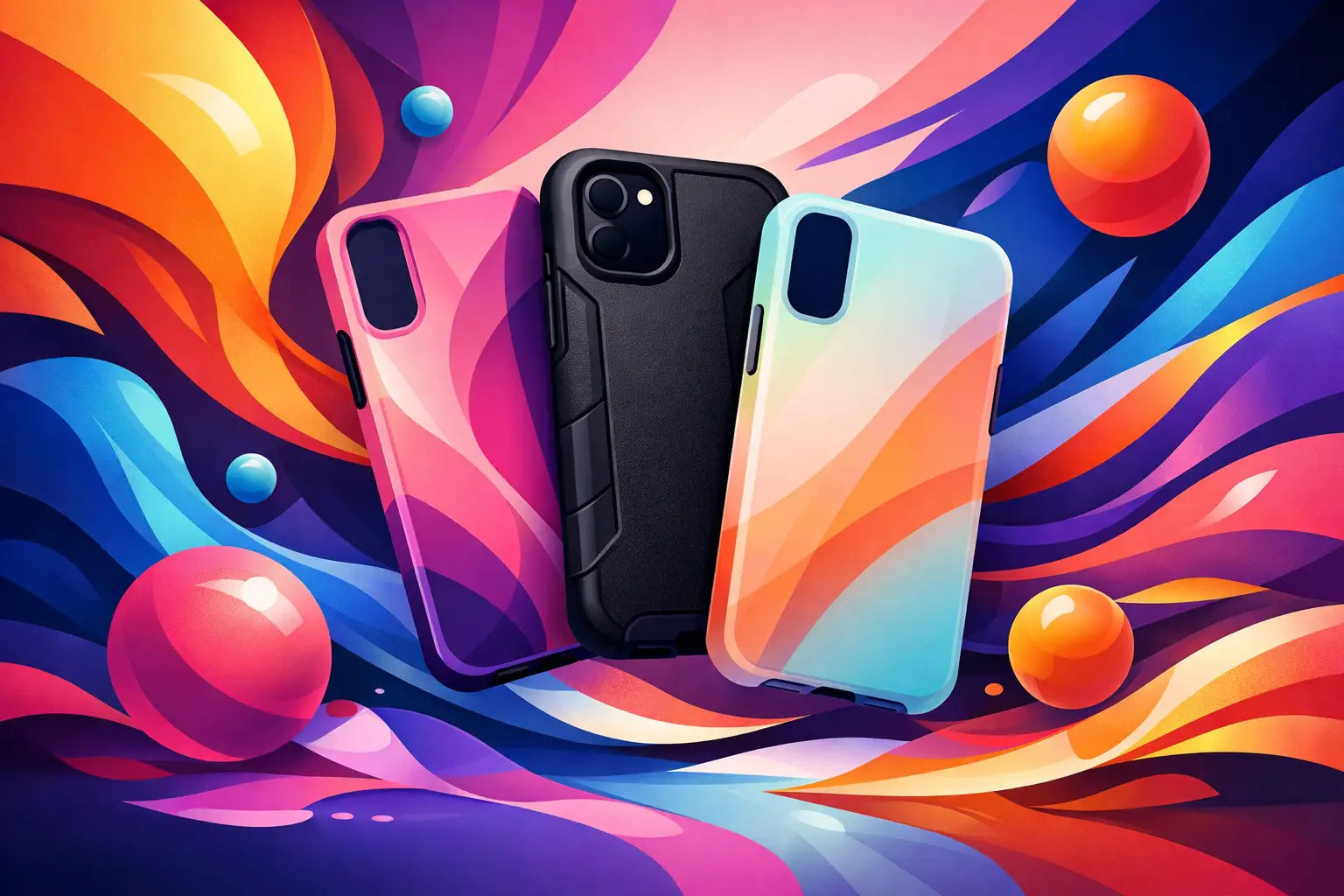
Your iPhone case says a lot before you even unlock your screen. It can look clean and minimal, loud and graphic, sleek and polished, or ready to survive a drop on concrete. That is why a real guide to choosing iPhone case options should do more than sort cases into "cute" or "protective." The right pick has to match your phone, your routine, and your style without making daily use annoying.
A lot of people buy a case in two minutes and regret it for the next year. It feels too bulky. The buttons are stiff. The camera lip is too shallow. The design looked better online. Or the case protects well but kills the whole vibe of the phone. A better choice comes down to knowing what matters most to you and where to compromise.
Guide to choosing iPhone case by lifestyle
Start with how you actually use your phone, not how you wish you used it. If your iPhone spends most of its time in a tote bag with keys, lip gloss, and a charger, scratch resistance and raised edges matter. If you are always texting one-handed while walking to class or commuting, grip matters more than you think. If your phone is basically your camera, then lens protection deserves more attention than color alone.
People who are constantly on the move usually do best with a case that balances drop protection and slimness. Super bulky cases can feel safe, but they are not always practical. They can make your phone harder to pocket, heavier to hold, and less fun to use. On the other hand, ultra-thin cases keep the original shape of the iPhone but may not offer enough shock absorption for everyday drops.
If you use MagSafe accessories, your case choice gets narrower in a good way. A case with built-in MagSafe compatibility keeps charging easy and makes magnetic wallets, stands, and power banks actually stay put. Without that feature, the whole magnetic experience can feel weak or inconsistent.
For people who care about personal style as much as protection, the best case is not the plainest one. It is the one you will genuinely want to carry every day. That can mean a glossy finish, a bold print, a clean neutral, or something graphic that feels like part of your outfit.
What level of protection do you really need?
This is where honesty helps. If you have cracked the same corner of two phones in a row, you are not a "thin case person." If your phone rarely leaves your desk and bed, you may not need maximum impact protection. Most buyers land somewhere in the middle.
A dependable everyday case should have raised bezels around the screen and camera, reinforced corners, and a material that can absorb shock instead of just looking pretty. Corner protection matters because that is where a lot of real-world drops hit hardest. Camera protection matters because the lenses are one of the most exposed parts of modern iPhones.
That said, more protection often means more bulk. There is no magic workaround. Thick cases can feel safer, but they can also make your iPhone look and feel less premium. Slim cases feel better in hand, though the trade-off is usually lower drop performance. The smart move is choosing enough protection for your actual habits instead of going to either extreme.
Materials change the whole experience
Any guide to choosing iPhone case designs has to talk about materials, because material affects grip, durability, weight, and even how clean the case looks after a month.
Silicone cases feel soft and grippy, which is great if you hate slippery phones. They are comfortable to hold and usually easy to snap on. The downside is that some silicone finishes attract lint or can start looking worn faster, especially around the corners.
Hard polycarbonate cases are usually better for sharp prints, glossy finishes, and crisp designs. They hold their shape well and can show off bold artwork beautifully. But if the build is too rigid without shock-absorbing layers, they may not cushion drops as well as hybrid designs.
TPU and hybrid materials often hit the sweet spot. They can combine flexibility with structure, giving you better shock absorption without making the case feel flimsy. For most people, this is the most practical option because it blends daily comfort with real protection.
Texture matters too. A smooth, polished case can look elevated, but if it slips off your lap every five minutes, the style payoff fades fast. Slightly textured sides or anti-slip finishes make a noticeable difference in everyday use.
Don’t ignore fit, buttons, and cutouts
A case can look amazing online and still disappoint the second you put it on your phone. Fit is everything. The case should snap on securely, line up cleanly around the ports and speakers, and stay tight around the edges without flexing too much.
Button responsiveness is one of the fastest ways to tell whether a case is good or just good-looking. If you have to press hard to change volume or lock your screen, that case will get old very quickly. Precise button covers should feel crisp, not mushy.
The same goes for cutouts. Charging ports need enough room for common cables. Camera openings should protect the lens area without interfering with photos. Speaker and microphone cutouts need to be clean and properly aligned. These details are easy to overlook when shopping, but they shape your experience every single day.
Style is not extra - it is part of the choice
Some brands treat design like a bonus feature. It is not. For a lot of iPhone users, the case is one of the few tech accessories that lives in your hand, on your desk, in your mirror selfies, and next to your outfit every day. It should feel like you.
That does not mean choosing looks over function. It means refusing the idea that protection has to be boring. A strong case can still be colorful, graphic, polished, minimal, or playful. If you lean fashion-forward, the best case is often one that works like a protective accessory, not just a phone cover.
This is also where finish makes a difference. Clear cases show off your iPhone but may show fingerprints or yellow over time depending on quality. Matte finishes can feel modern and reduce smudges. Glossy cases make colors and prints pop, though they may show scratches more easily. Printed designs bring personality, but the print quality needs to last and not peel after a few weeks.
If your phone case is part of your look, you are more likely to keep using it instead of taking it off and risking your phone bare.
MagSafe, extras, and the features worth paying for
Not every extra feature is worth the upcharge, but some definitely are. MagSafe compatibility is one of the biggest ones if you already use wireless charging or magnetic accessories. A properly designed MagSafe case keeps the connection strong and useful, instead of turning charging into a guessing game.
Built-in ring holders, straps, or stand functions can also be worth it if they fit how you use your phone. The catch is that extras should make life easier, not make the case clunky. A good feature feels integrated, not tacked on.
Price matters here too. The cheapest case is not always the best value if it stretches out, discolors, or cracks quickly. But paying more only makes sense when you are getting something real in return - better materials, stronger magnets, more durable finishes, or a design you actually love carrying. For shoppers who want style and durability without wasting money, value is about lifespan as much as sticker price.
A quick guide to choosing iPhone case without overthinking it
If you are stuck between five tabs and ten colors, narrow it down with three questions. First, how often do you drop your phone? Second, do you want your case to blend in or stand out? Third, do you use MagSafe enough to need full compatibility?
Your answers usually point to the right category fast. Frequent drops call for reinforced corners and better shock absorption. Style-first buyers should focus on finishes, prints, and material quality. Heavy MagSafe users should skip anything with weak magnetic support. From there, it becomes much easier to choose based on color or design instead of getting lost in every possible feature.
At CASETEROID, that sweet spot is the whole point - bold design, durable materials, and features that make your phone easier to use, not harder.
The best case is not the thickest, trendiest, or most expensive one on the page. It is the one that feels right the moment it clicks onto your iPhone and still feels right a month later, when life gets messy and your phone goes everywhere with you.
MagSafe Charger vs Power Bank: Which Wins?
How to Protect Camera Lenses Without Overdoing It