
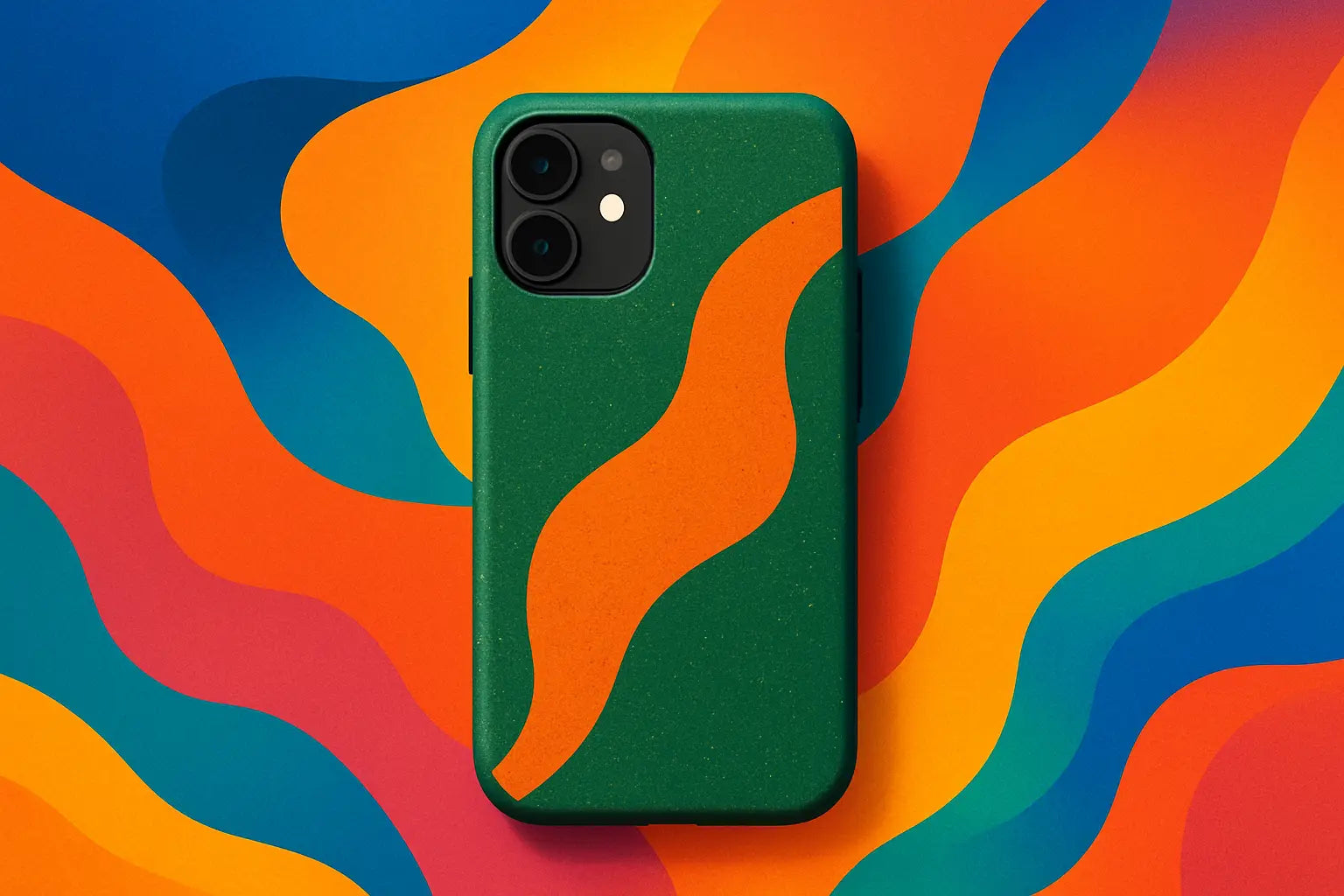
You know the moment: you spot a phone case that’s totally your vibe—then you flip it over and realize it’s basically a chunk of plastic destined to outlive your entire bloodline.
If you’ve been trying to make more low-waste choices without turning your whole personality into “reusable jar person,” eco-friendly phone cases are a surprisingly good place to start. You already need protection. You already want something that looks good in mirror selfies. The only question is whether your case can do that without quietly adding to the landfill pile.
Let’s get into what “eco-friendly” actually means for phone cases, what’s worth paying for, and where the trade-offs live.
What “eco-friendly phone cases” really means
“Eco-friendly” gets tossed around like confetti. On a phone case, it can mean a few different things—and they’re not all equal.Sometimes it means the material is plant-based, like bioplastics made from corn or sugarcane. Sometimes it means the case is made with recycled plastics (which keeps existing plastic in circulation longer). Sometimes it means the brand has a take-back program so your old case doesn’t end up in the trash. And sometimes, let’s be real, it means the packaging is kraft paper while the case itself is still standard plastic.
A genuinely eco-friendlier case usually has at least one of these: lower-impact materials, longer lifespan (so you replace it less), and an end-of-life plan that doesn’t rely on “hope you recycle it.” The best options combine all three.
The materials that show up (and what they’re actually like)
A case material can be “greener” on paper and still not fit your life. Here’s what you’ll typically see—and what it feels like in day-to-day use.Compostable bioplastics (PLA blends)
These are often marketed as compostable and plant-based. They can look and feel like smooth plastic, sometimes with a slightly matte finish.The catch: most “compostable” cases require industrial composting conditions—high heat, controlled moisture, the whole setup. If your city doesn’t have industrial composting, tossing it in your backyard compost won’t magically break it down. And if it ends up in a landfill, it may not decompose the way the label makes you picture.
Also, PLA blends can be less forgiving than TPU when it comes to flexibility. If you’re someone who constantly pops your case on and off, check reviews for cracking.
Recycled plastics (rPET, recycled TPU)
Recycled plastic cases can be a strong middle ground: you still get that familiar durability and drop protection, but with less demand for new plastic production.The trade-off is that “recycled” doesn’t automatically mean recyclable again. Some blends are hard to recycle after use because they’re mixed materials or have coatings. Still, if you want solid protection and a lower footprint without babying your phone, recycled plastics are often the easiest lifestyle match.
Natural fibers (flax, wheat straw, bamboo blends)
These cases usually mix plant fibers with a binding resin. The result can feel slightly textured, more “organic,” and less slippery.They tend to resist fingerprints and can look really clean—minimal, earthy, aesthetic. But the fiber + resin combo can complicate end-of-life recycling, and some versions prioritize the look over serious drop protection. If you’re a frequent phone-dropper, look for reinforced corners or verified drop ratings.
Silicone (sometimes marketed as “eco”)
Silicone is durable, grippy, and popular for a reason. But silicone is not biodegradable, and it’s not widely recyclable in curbside systems.Some brands claim it’s eco-friendly because it’s long-lasting. Longevity does help, but if “eco-friendly” is your main goal, silicone is more of an “it depends.” If you keep one case for years, that’s better than cycling through cheap plastic cases every two months. But it’s not an end-of-life hero.
Leather (including “vegan leather”)
Leather cases can last a long time and develop a worn-in patina people love. From an environmental standpoint, animal leather comes with high impacts tied to livestock and tanning. “Vegan leather” is often polyurethane (plastic) with its own issues.If you love the look, the most eco-responsible angle is durability—buy one you’ll actually keep and maintain. If you’re buying a “vegan leather” case that cracks in a year, that’s just plastic with better PR.
Certifications and claims worth trusting (and the ones to side-eye)
If you’ve ever read product descriptions and thought, “This is vibes-based science,” you’re not wrong.Look for clear, specific claims: “made with 65% post-consumer recycled plastic” beats “earth-friendly materials.” Certifications can help, but they’re only useful if you know what they’re signaling.
Compostability certifications can be meaningful, especially if they specify industrial composting. Recycled content certifications can confirm the material story. If a brand talks about carbon neutrality, check whether they mention reducing emissions versus only offsetting.
What to side-eye: vague language like “green,” “eco,” “planet-safe,” or “biodegradable” with zero details on conditions, timelines, or where it breaks down. If you can’t figure out what happens to the case after you’re done with it, the eco claim is incomplete.
Protection vs. sustainability: where the trade-offs live
Here’s the uncomfortable truth: the most eco-friendly phone case is the one you don’t replace.That means durability matters. A super-thin compostable case that cracks after a few drops can push you into buying two or three replacements—now your “eco” choice is generating more waste and more shipping emissions.
On the flip side, a tank-like case made from conventional plastic that lasts four years might be the better real-world pick for someone who is hard on their phone.
So the sweet spot is choosing the greenest option that still matches your lifestyle:
If you’re careful with your phone, you can prioritize compostable or fiber-based materials and still be happy.
If you drop your phone a lot or you’re always on the move, prioritize protection first, then look for recycled materials, take-back programs, and minimal packaging.
If you swap cases like outfits, consider buying fewer but better cases, and treat it like a capsule wardrobe: a couple you love, not a drawer full you forget.
MagSafe and eco-friendly cases: can you have both?
MagSafe compatibility adds another layer because magnets and metal rings can complicate recycling and composting. That doesn’t mean you have to give it up—it just means you should be picky.A MagSafe-friendly “eco” case that uses recycled materials and is built to last can be a smart compromise, especially if you rely on magnetic chargers, wallets, or grips daily. Just know that fully compostable + MagSafe is harder to pull off cleanly, because compostability doesn’t mix well with embedded components.
If MagSafe is non-negotiable for you, focus on longevity and recycled content, and look for brands that are transparent about construction.
The overlooked eco move: keep your phone longer
A case can reduce waste, but the bigger win is stretching your phone’s lifespan.A sturdy case prevents the kind of screen crack that turns into an early upgrade. If you’re upgrading every year because your phone got wrecked, no compostable case is going to out-green that. Buying a case that actually protects your phone—and using it consistently—can be one of those low-effort choices that quietly saves you money and cuts down on e-waste.
So yes, material matters. But protection is part of sustainability too.
How to shop smarter (without turning it into homework)
You don’t need a spreadsheet. You just need a few quick checks.Start with transparency: does the brand tell you what the case is made of, in percentages or clear terms? “Plant-based” is not a material. “PLA blend with bamboo fiber” is.
Next, check durability signals: reinforced corners, drop-test ratings, thicker edges around the screen and camera. An eco-friendly case that can’t take a hit is a short-term relationship.
Then look at end-of-life: do they offer a take-back program, recycling guidance, or composting instructions that match reality (industrial vs home)? If the plan is “throw it away but feel good,” pass.
Finally, don’t ignore style. If you hate how it looks, you’ll replace it sooner. The greenest case is the one you’re excited to keep.
If you want a case that’s built for real life—protective, bold, and MagSafe-ready—CASETEROID is designed around that “function meets fashion” lane. Even when you’re shopping with sustainability in mind, choosing something you’ll actually use daily (and keep) is a big part of the equation.
The tiny details that make a case more sustainable
This is where brands can either prove they’re serious or show they’re just using green buzzwords.Packaging matters, but it’s the baseline, not the whole story. Plastic-free packaging is nice; it shouldn’t be the only eco feature.
Color and coatings can matter too. Heavy paints, glossy coatings, and glued-on decorations can make recycling harder. If a case is aiming for circularity, simpler construction is usually better.
Shipping is another one. Free worldwide shipping is fun, but shipping still has a footprint. If you’re trying to shop lighter, buy fewer items in fewer orders. One well-chosen case beats three impulse cases shipped separately.
A realistic mindset that still moves the needle
If you’re waiting for the perfect zero-impact phone case, you’ll be waiting forever. The goal is better choices, not flawless ones.Pick a case that matches how you live, protects your phone well enough that you’re not replacing devices early, and comes from a brand that can explain its materials without hand-waving. Then keep it. Let it get a little scuffed. Let it be the case you actually use, not the one you meant to use.
Your phone is already along for the ride every day. Your case should be, too—and it should make you feel good every time you pick it up.
Fashionable Tech Accessories That Actually Work
17 Phone Case Patterns That Get Noticed