
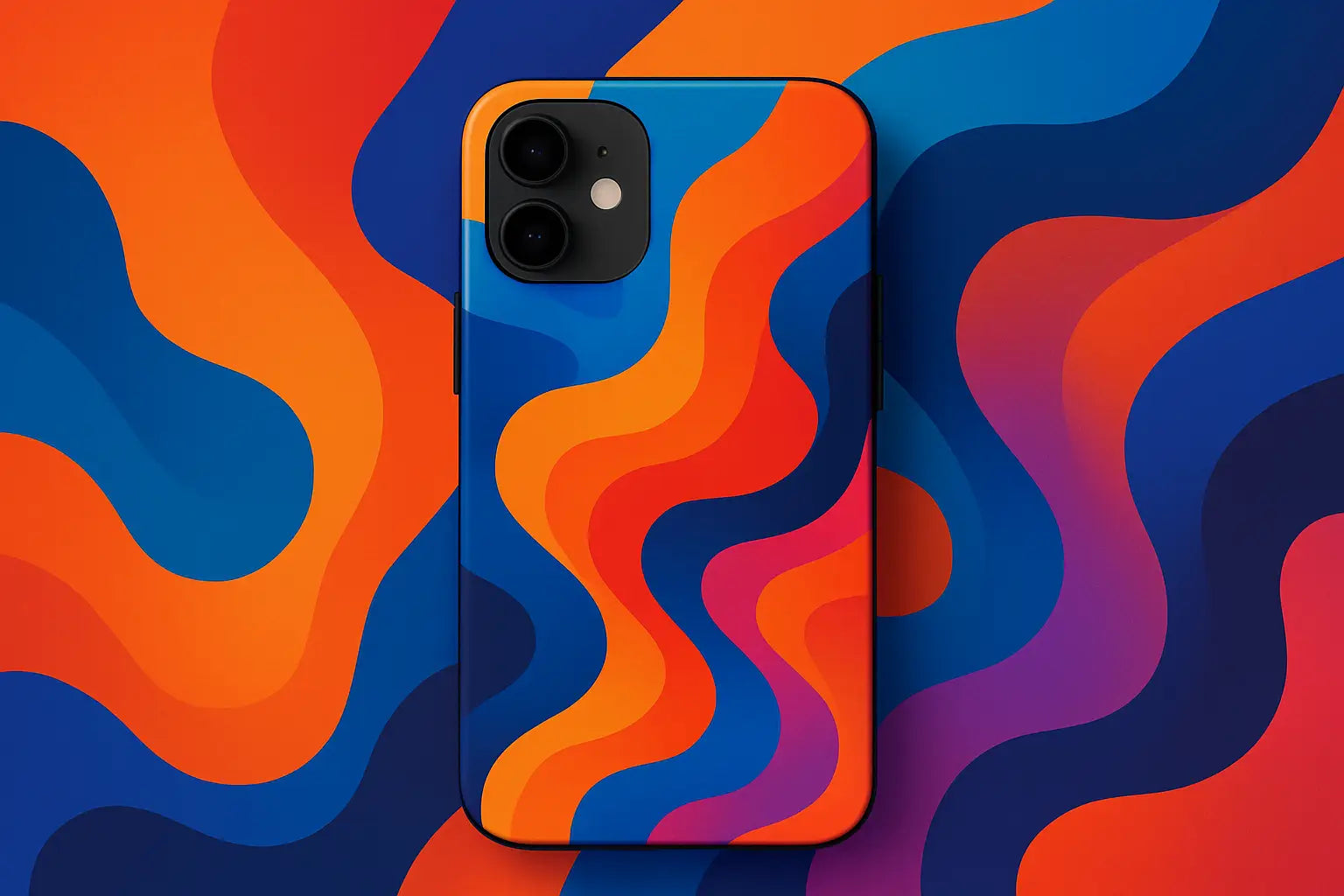
You know that moment when your phone lands face-down and time slows a little? That’s when “cute” stops being the whole assignment. The best custom phone case designs don’t just look good in a mirror selfie—they keep your camera bump from kissing the sidewalk and still match your vibe three months later.
If you’re designing (or choosing) a custom case, you’re basically balancing three things: the artwork, the materials, and the way you actually use your phone. Get those aligned and your case feels like it was made for you—because it was.
What makes custom phone case designs worth it
A phone case is the one accessory you touch all day. Clothes rotate, shoes take a day off, but your phone is always in hand. Customizing it isn’t just for aesthetics; it’s a way to make your most-used item feel personal.The catch: customization can go wrong fast. A design can look incredible on a screen and come out muddy in print. A case can be “slim” and still turn into a lint magnet. A MagSafe-compatible case can claim it’s magnetic and then drop your wallet in the checkout line. Custom should feel elevated, not like a compromise.
Start with how you use your phone (yes, really)
Before you pick fonts or slap on a photo, decide what your phone goes through.If you’re constantly commuting, tossing your phone in a tote, or living that “one-hand texting while carrying coffee” life, you’ll want protection that doesn’t baby your design. That usually means a case with raised bezels around the screen and camera, plus a material that absorbs shock instead of transferring it.
If your phone mostly lives on a desk and you care more about a sleek look, you can go slimmer—but know the trade-off. Thin cases are less forgiving when gravity shows up uninvited.
And if you’re all-in on MagSafe (chargers, wallets, car mounts), treat magnet strength as non-negotiable. A case can be gorgeous and still be annoying if it slides off your charger every time you bump the nightstand.
The material choice changes everything
Custom phone case designs sit on a real surface, not a digital canvas. The base material affects color, detail, grip, and how your case ages.TPU (flexible plastic) is the crowd favorite for grip and drop protection. It has a softer, slightly rubbery feel and usually survives daily abuse without cracking. If you hate slippery cases, TPU is your friend.
PC (polycarbonate/hard plastic) gives you crisp printing and a clean, smooth finish. It can look super premium, especially with glossy options, but it’s more likely to show scratches and can crack if it takes a hard hit.
Hybrid builds (hard back + flexible bumper) are often the sweet spot for people who want both: solid structure for print clarity and a grippy edge for drops.
Silicone-style finishes feel great in the hand, but they can attract pocket lint and sometimes smudge. If you love that soft-touch feel, pick darker colors or designs that don’t make every speck look like a crime scene.
If you want your design to stay looking fresh, also think about UV exposure and oils from your hands. The wrong material + finish combo can dull bright colors over time.
Print methods: why your design looks different in real life
This is where custom can turn into “why does my pink look orange?” Different printing methods handle color and detail differently.UV printing is common for vibrant designs and quick production. It can handle bold colors and sharp edges, but extremely fine gradients can band depending on the printer and surface.
Sublimation tends to look smooth and durable for all-over designs, especially on compatible coatings. It’s great for patterns, color fades, and dreamy backgrounds.
Embossed or textured prints can add a premium feel and improve grip, but they’re not always ideal for intricate, photo-real images.
If your design depends on tiny text, subtle shadows, or ultra-specific color matching, you’ll want to design with real-world printing in mind. High contrast reads better. Slightly thicker lines print cleaner. And if your whole concept relies on a soft pastel gradient, choose a method known for smooth transitions.
Designing your case so it prints clean (and looks intentional)
You don’t need to be a graphic designer to make custom phone case designs that look legit. You just need to design for the object.First, respect the camera cutout. A lot of DIY designs fail because the best part of the graphic ends up chopped by the lens area. Place your focal point away from the top corner and treat the cutout like part of the layout.
Second, use “phone-case contrast.” What looks balanced on a bright screen can disappear on a smaller surface. If you’re using text, give it enough contrast against the background so it’s readable at a glance.
Third, don’t overstuff it. A case is a small canvas that gets seen from a distance. One strong idea—an icon, a phrase, a photo, a bold pattern—usually hits harder than ten competing elements.
And if you’re using a personal photo, pick one with clean lighting and a clear subject. Blurry concert pics can be a vibe, but they rarely print well unless that blur is the point.
MagSafe: make sure your design doesn’t fight your charger
If you’re customizing a MagSafe-compatible case, design placement matters.Many MagSafe cases have an internal magnet ring. If your artwork includes a perfectly centered circle, halo, or logo, think about how it’ll align with that ring. Sometimes it looks intentional and cool; other times it creates a weird “target” effect you didn’t plan.
Also, thicker cases and certain finishes can weaken magnetic hold. If you rely on MagSafe mounts in the car or use a MagSafe wallet daily, choose a case built for a strong connection—not just “works with MagSafe” in tiny text.
The durability details people forget
A case can look amazing for a week and then fall apart in the details. If you care about longevity, watch these pressure points:Buttons should be clicky, not mushy. If the buttons are too stiff, you’ll feel it every day.
The lip around the screen and camera should be raised enough to protect—but not so high that it catches on your pocket.
Edges should resist peeling or discoloration. Clear or light-colored bumpers can yellow depending on material quality and exposure.
And if you’re going glossy, accept the trade-off: glossy shows fingerprints. Matte hides smudges better and tends to look newer longer, but can slightly soften super-vivid colors.
Matching your case to your style without trying too hard
The best custom phone case designs feel like they belong to you, not like you forced a trend onto your phone.If your wardrobe is mostly neutrals, go for a clean base and add one standout element—like a bold icon, a monochrome pattern, or a single high-contrast phrase.
If you dress loud, your case can go louder. Maximal prints, saturated colors, collage-style graphics, or chrome-inspired text can look incredible when the rest of your accessories are equally intentional.
If you’re somewhere in the middle, play with texture and small details. A subtle repeating pattern or a minimalist graphic on a premium material can feel elevated without screaming for attention.
Want it to feel expensive? Prioritize finish and alignment
“Premium” is usually a bunch of small things done right.A design that’s centered perfectly and aligned with the cutouts looks instantly higher quality. So does a finish that matches the artwork—glossy for high-drama graphics, matte for modern minimal designs, textured for designs you want to feel as much as see.
Also, leave breathing room. Tight margins can look accidental. A little negative space reads confident.
Where a bold design and real protection meet
If you want custom energy without sacrificing durability, look for brands that treat protection and design as the same product—not two separate ideas taped together. That’s the lane CASETEROID plays in: statement-making cases built to handle real life, with options that fit iPhone, Samsung, and Galaxy Z Flip, plus accessories like MagSafe power banks and ring holders for people who actually use their setups.A quick reality check on deals and value
A lot of people think custom automatically means overpriced. Not always.Value comes down to how long you’ll use it and how well it holds up. If your case chips, yellows, or loses magnet strength in a month, it was never a deal. If it stays clean, protects your phone, and still feels like “you” after a season, that’s money well spent.
Promos like “buy more, save more” can make experimenting easier—especially if you like switching designs based on mood, season, or outfits. Just make sure you’re not buying four cases you’ll never use because the deal looked good at checkout.
High-Quality MagSafe Power Banks That Deliver
Are MagSafe Cases Worth It? Let’s Be Real